+91-9811347199 saurabh.joshi@fanair.in
/// ESTD 2016

Sound Attenuator

Effective Noise Control for HVAC Systems

Sound Attenuators are used in HVAC and ventilation systems to reduce unwanted noise while allowing air to pass through the ductwork. They are useful in buildings where fans, air handling units, and ventilation units can create operating noise.

For businesses looking for Sound Attenuator Manufacturers in India, choosing the proper attenuator depends on duct size, airflow, noise levels, installation space, and the requirements of the HVAC system. A properly designed attenuator can help improve acoustic comfort without restricting the required air movement.

Contact Us
Size
315 mm dia to 1600 mm dia
Type
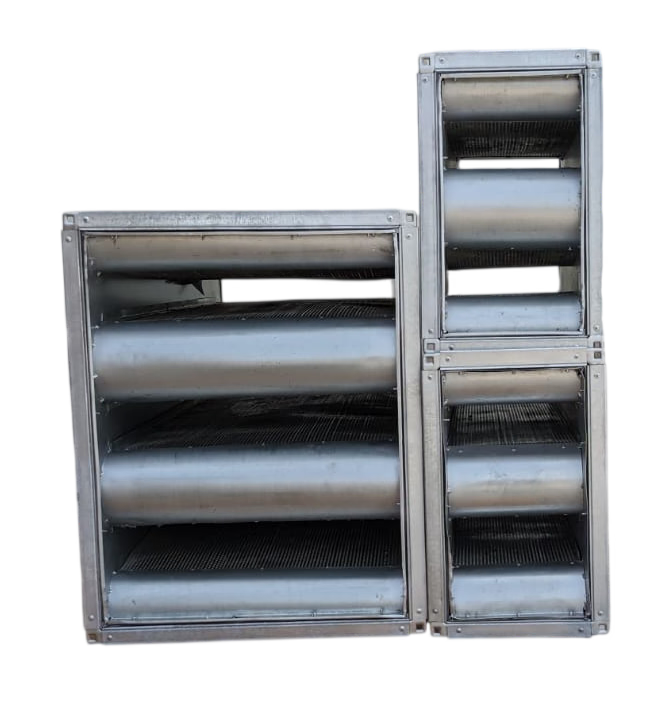
Round & rectangular shape

How Sound Attenuators Work

Noise Reduction in Airflow Systems

A sound attenuator is installed within an air duct or ventilation path. Its internal acoustic material absorbs part of the sound energy generated by fans and moving air, helping reduce noise transmission through the connected duct system.

The design needs to balance noise reduction and airflow performance. Size, length, internal construction, insulation material, and airflow conditions can affect the effectiveness of the attenuator in a specific HVAC installation.

Key Features of Sound Attenuators

Acoustic Insulation

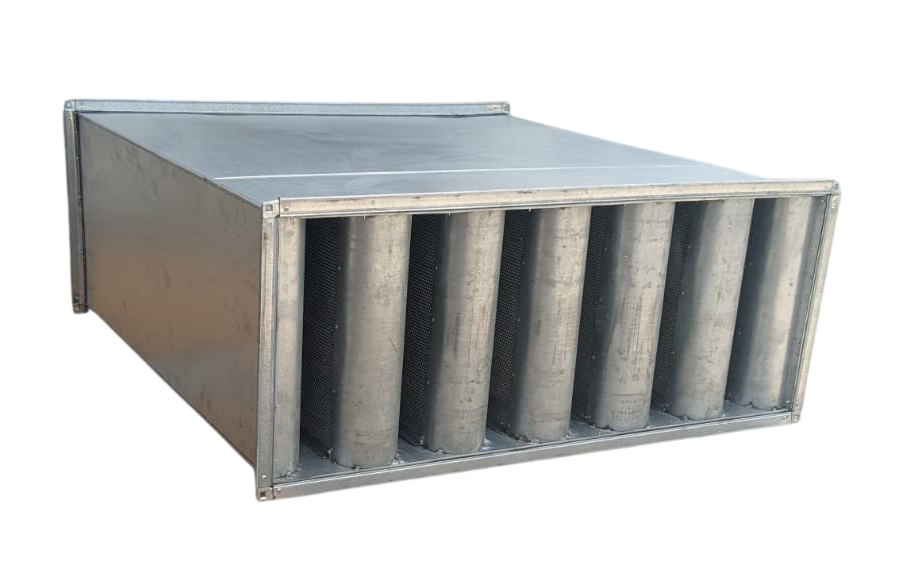
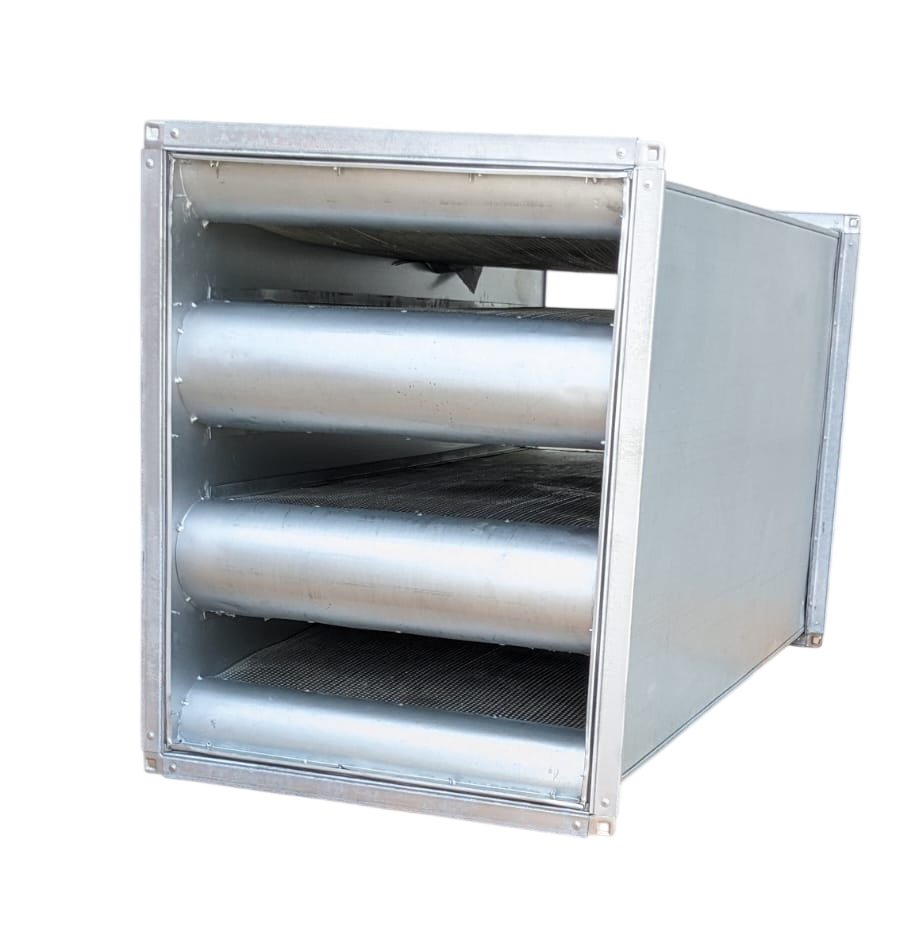
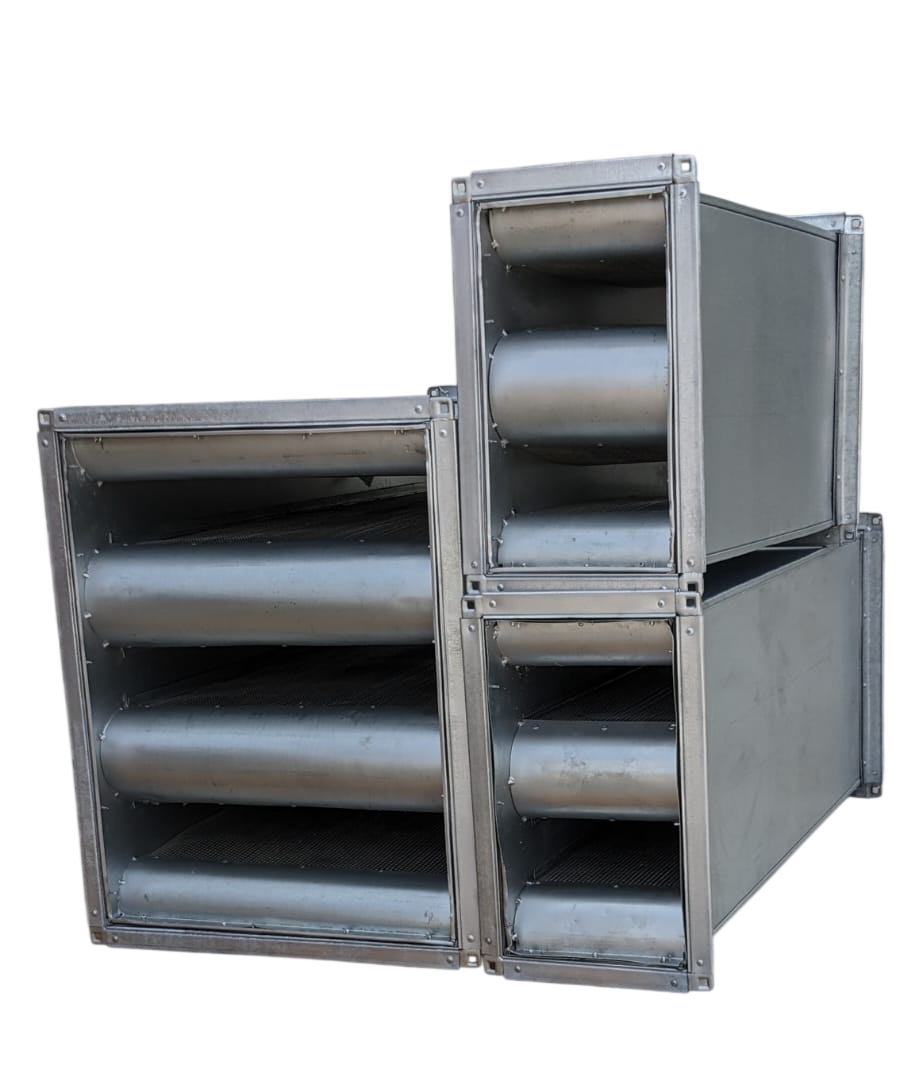
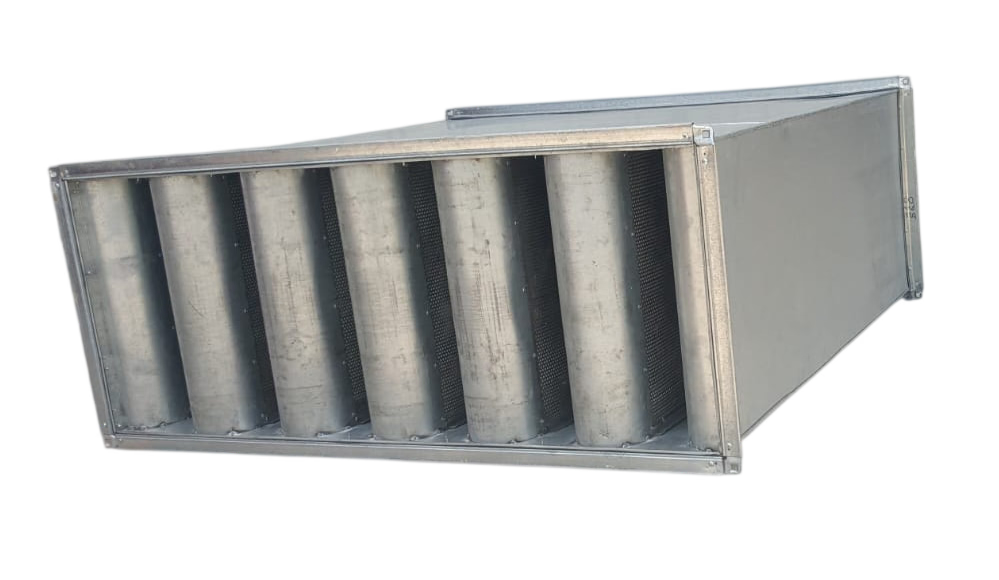
The current FanAir design uses a galvanized metal sheet casing with ring ends and tapped inserts for fixing. The casing includes absorbent fiberglass insulation covered with fiberglass tissue and a perforated aluminium or GI sheet.

This construction is intended to provide acoustic absorption while maintaining a practical duct-installed arrangement. The exact construction may be selected according to the requirements of the ventilation system and installation environment.

Types of Sound Attenuators

Round Sound Attenuators

Round Sound Attenuators are designed for circular duct systems. They can be incorporated into round ductwork in which noise control is required around fans, air handling equipment, or ventilation paths.

Their dimensions should be selected according to the connected duct diameter and airflow requirements. Proper installation also helps maintain the intended airflow direction.

Rectangular Sound Attenuators

Rectangular Sound Attenuators are appropriate for rectangular duct systems and may be incorporated into larger HVAC air distribution arrangements.

They may be useful where the duct design has a rectangular cross-section or in which available installation space calls for a specific configuration. FanAir currently lists both round and rectangular attenuator types.

Technical Specifications

Sound attenuator specifications depend on the duct arrangement, airflow, noise requirements, and available installation space. The current FanAir product data lists a size range from 315 mm to 1600 mm diameter and both round and rectangular configurations.

ProductSound Attenuator
Size Range315 mm – 1600 mm
ShapeRound & Rectangular
CasingGalvanized Steel
Absorbent MaterialFiberglass
CoveringFiberglass Tissue
Perforated SheetAluminium / GI
ApplicationHVAC & Ventilation

Final dimensions and construction must be confirmed according to the selected model and project requirements.

Applications of Sound Attenuators

HVAC Systems

HVAC Sound Attenuators can be mounted in ventilation systems where noise from fans and air movement needs to be controlled. They can be positioned in ductwork near the air handling system or other noise-generating components.

They are suitable for commercial buildings, offices, hospitals, hotels, institutions, industrial facilities, and other projects in which maintaining a comfortable acoustic environment is essential.

Industrial Ventilation

Industrial Sound Attenuators can help control noise generated by ventilation fans and air-handling equipment in manufacturing facilities and process areas.

The attenuator should be selected according to airflow, duct dimensions, operating temperature, and the expected noise characteristics of the system.

Why Proper Sound Attenuator selection Matters

Choosing Sound Attenuator Manufacturers in India calls for attention to both acoustic and airflow requirements. An attenuator that is not correctly sized may create unnecessary pressure loss or may not provide the required noise reduction.

A suitable design considers duct dimensions, airflow speed, available space, noise source, and installation area. This helps the attenuator work as part of the complete HVAC system rather than as an isolated component.

Engineering and Manufacturing Process

Requirement Analysis

The process begins with understanding the duct size, airflow, noise source, installation location, and acoustic requirements. These details help determine the correct attenuator type and configuration.

Fabrication and Assembly

The casing and internal components are manufactured according to the required dimensions. Insulation, perforated sheets, fixing arrangements, and other components are assembled before the completed attenuator is prepared for installation.

Customized Sound Attenuator Solutions

Every HVAC project can have specific duct dimensions and acoustic requirements. Customized Sound Attenuators can therefore be designed around airflow, duct size, available space, noise levels, and installation conditions.

Customization can be especially useful for large commercial and industrial projects where standard dimensions may not suit the existing duct design. Proper measurements and technical information help in developing a suitable configuration.

How to Select the Right Sound Attenuator

Check Duct Size and Airflow

Start by identifying the duct dimensions and required airflow. These details help determine the right attenuator size and internal configuration.

Consider Noise and Installation Space

The primary noise source, required acoustic performance, available installation area, airflow speed, and maintenance access should also be reviewed before selecting the attenuator.

Frequently Asked Questions

What is a Sound Attenuator?

A sound attenuator is an HVAC component designed to reduce noise generated by fans and moving air while allowing airflow to continue through the duct system.

Where are Sound Attenuators used?

They are normally used in HVAC systems, commercial buildings, industrial facilities, air handling systems, and ventilation installations where noise control is needed.

What types of Sound Attenuators are available?

Sound attenuators can be manufactured in round and rectangular configurations depending on the ductwork and project requirements.

Can Sound Attenuators be custom designed?

Yes. Size, shape, construction, insulation, and other requirements may be considered according to the HVAC system and installation conditions.

Conclusion

Selecting appropriate Sound Attenuator Manufacturers in India requires attention to duct size, airflow, noise levels, installation area, and acoustic requirements. A well selected attenuator can help reduce unwanted HVAC noise while maintaining the required airflow through the ventilation system.

For project consultation and technical requirements, FanAir India Pvt. Ltd. can discuss your application and help identify an appropriate sound attenuator configuration for your HVAC project.

Contact Us