+91-9811347199 saurabh.joshi@fanair.in
/// ESTD 2016

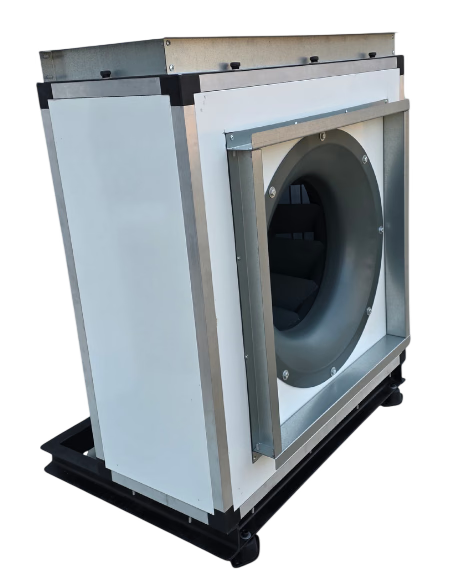
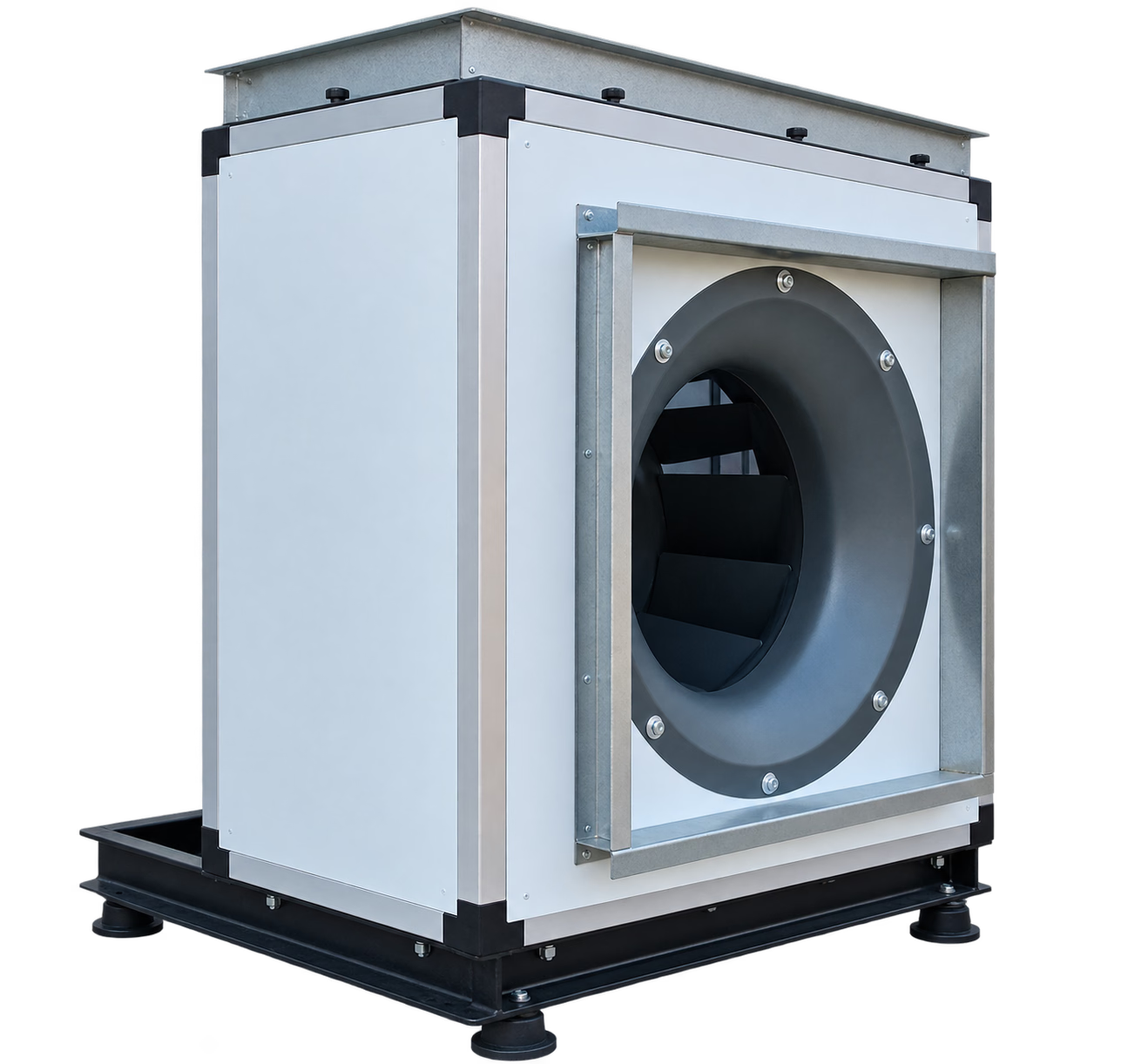
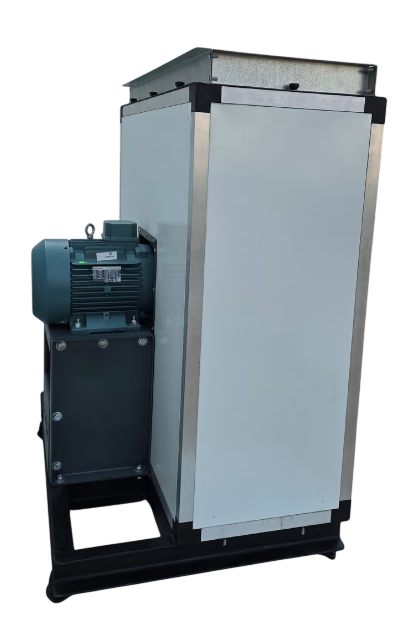
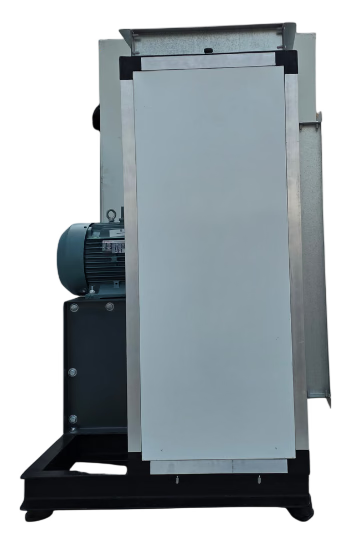
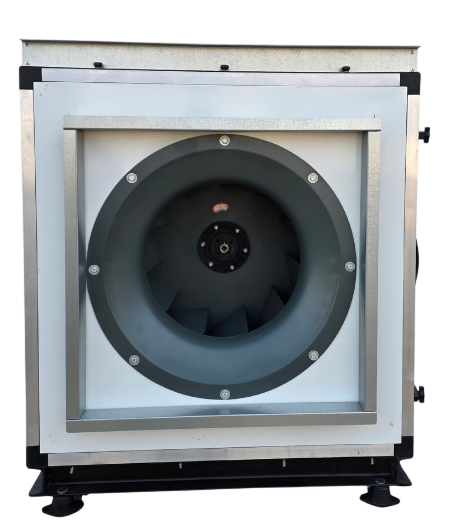
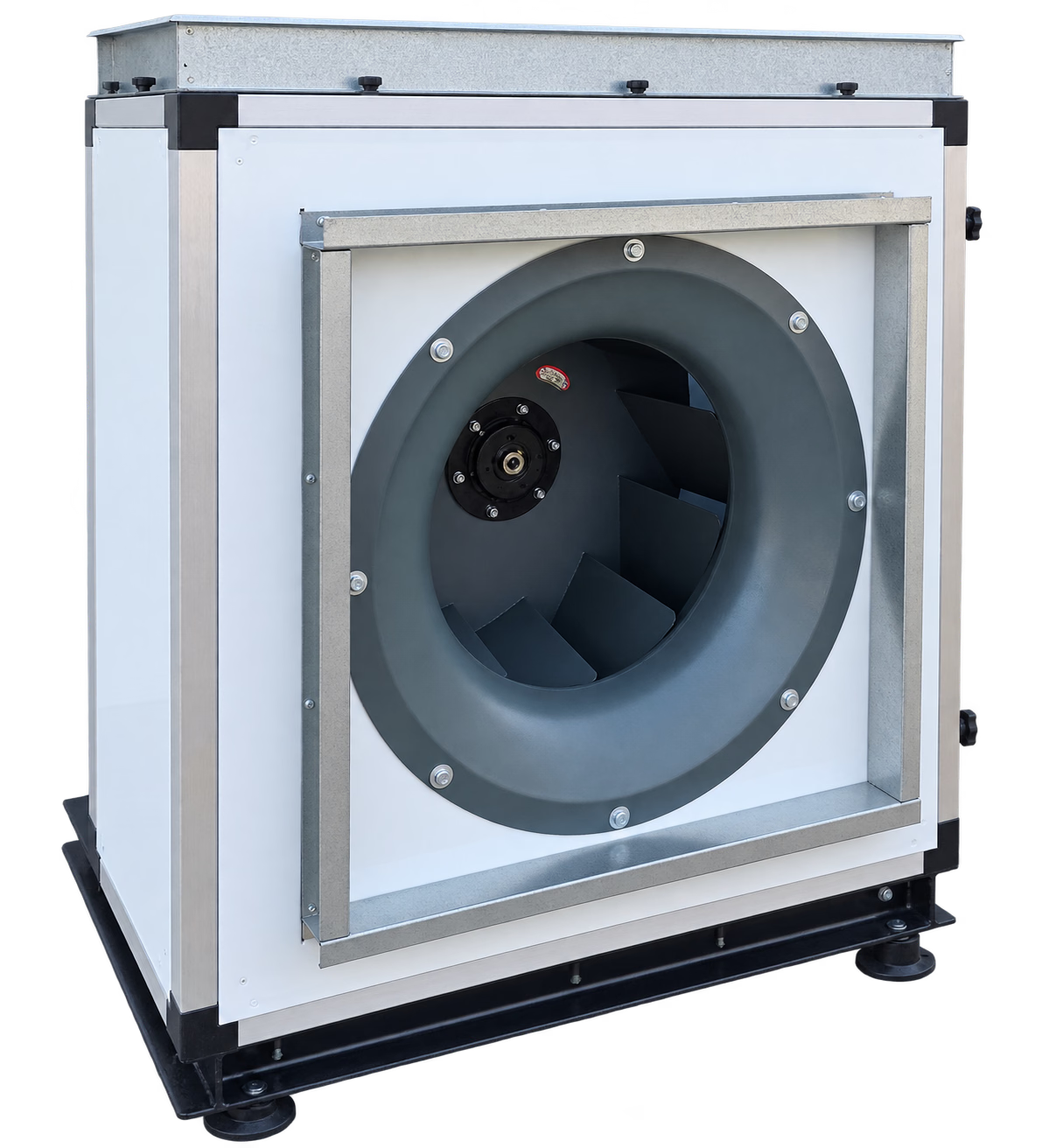
Smoke Exhaust Unit

Size
315mm to 1000mm
Capacity
Upto 40,000 CFM
Static Pressure
Upto 80 mmwg
Fire Rating
300°C / 400°C for 2 Hours Fire Rated

Reliable Smoke Extraction for Fire Safety

Smoke Exhaust Units are designed to remove smoke and hot gases from buildings during fire emergencies. By helping clear smoke from enclosed areas, these systems can support safer evacuation, improve visibility, and help emergency response teams during critical conditions.

For projects looking for Smoke Exhaust Unit Manufacturers in India, proper system selection is important. Building design, airflow, temperature, pressure, installation conditions, and the required smoke extraction approach need to be considered before selecting a suitable unit.

Contact Us

How Smoke Exhaust Units Work

Smoke and Hot Gas Extraction

A smoke exhaust unit uses a high-performance fan to extract smoke and hot gases from an affected area. The extracted air is directed through the designated exhaust path, helping reduce smoke accumulation inside the building.

These systems are usually incorporated with automatic controls so that the system can operate when required during an emergency. The whole arrangement should be designed according to the building's fire safety and ventilation requirements.

Key Features of Smoke Exhaust Units

High-Temperature Operation

Smoke exhaust equipment needs to perform under demanding conditions during a fire event. Fan configuration, motor selection, materials, temperature rating, and control systems can therefore play an important role in the overall design.

The current FanAir product data lists smoke exhaust units with sizes from 315 mm to 1000 mm, capacity up to 40,000 CFM, and static pressure up to 80 mm WG.

Reliable Emergency Ventilation

A properly selected Smoke Exhaust Fan can help move smoke and hot gases away from occupied areas. The unit should be selected according to the specified airflow and pressure while considering the building's complete emergency ventilation system.

Technical Specifications

The smoke exhaust unit range covers different sizes and performance requirements. The current product page lists a size range of 315 mm to 1000 mm, airflow capacity up to 40,000 CFM, and static pressure up to 80 mm WG.

EquipmentSmoke Exhaust Unit
Size Range315–1000 mm
Airflow CapacityUp to 40,000 CFM
Static PressureUp to 80 mm WG
ApplicationSmoke & Hot Gas Extraction
DriveApplication-specific
InstallationBuilding / HVAC System

Final specs must be confirmed according to the selected model and project requirements.

Applications of Smoke Exhaust Units

Basement and Car Park Ventilation

Smoke Exhaust Fans can be used in basement parking areas where smoke may also accumulate during a fire. The system can help extract smoke and support planned airflow paths within enclosed parking areas.

Fan location, airflow direction, controls, and exhaust routes should be considered together. The final arrangement depends on the size and design of the parking facility.

Commercial and Industrial Buildings

Industrial Smoke Exhaust Systems can be used in factories, warehouses, industrial buildings, institutional facilities, and other large buildings where emergency smoke extraction is required.

The system can be integrated with building ventilation and fire safety arrangements. Equipment selection should consider the area to be covered, required airflow, temperature conditions, and installation area.

Why Proper Smoke Exhaust selection Matters

Choosing a Smoke Exhaust Unit Manufacturer involves more than selecting a fan based only on airflow. Temperature rating, static pressure, fan size, motor configuration, control requirements, and installation conditions can affect system performance.

For organizations comparing Smoke Exhaust Unit Manufacturers in India, it is important to consider the whole application. The fan must be compatible with the building's smoke extraction method and the specified emergency operating conditions.

Engineering and Manufacturing Process

Requirement Analysis

The process starts with understanding the building design, required airflow, static pressure, operating temperature, installation location, and emergency ventilation requirements. This information helps determine a suitable configuration.

Fabrication and Testing

After the design is finalized, components are fabricated and assembled according to the required specifications. Dynamic balancing and relevant performance tests can help ensure smooth and reliable operation before dispatch.

Customized Smoke Exhaust Solutions

Each building has specific dimensions, layouts and ventilation requirements. Customized Smoke Exhaust Units can therefore be selected according to airflow, pressure, fan size, motor requirements, mounting arrangement, and operating conditions.

For large commercial buildings, parking areas, industrial facilities, and infrastructure projects, complete project data helps the manufacturer understand the required smoke extraction arrangement and system configuration.

How to Select the Right Smoke Exhaust Unit

Check Airflow and Static Pressure

Start by identifying the required airflow and static pressure. These values provide the basis for choosing the suitable fan size and performance level for the smoke extraction system.

Consider Temperature and Installation

Operating temperature, installation area, available space, exhaust path, control arrangement, and emergency operating requirements should also be reviewed before the final selection.

Frequently Asked Questions

What is a Smoke Exhaust Unit?

A smoke exhaust unit is a ventilation system designed to remove smoke and hot gases from a building during a fire emergency.

Where are Smoke Exhaust Units used?

They may be used in basements, car parks, commercial buildings, industrial facilities, warehouses, and other enclosed areas where smoke extraction is required.

What is the capacity of the available Smoke Exhaust Units?

The current FanAir product data lists capacities up to 40,000 CFM, with final performance depending on the selected configuration.

Can Smoke Exhaust Units be customized?

Yes. Size, airflow, static pressure, motor arrangement, mounting configuration, and other project requirements may be considered during selection.

Conclusion

Selecting appropriate Smoke Exhaust Unit Manufacturers in India requires careful consideration of airflow, static pressure, temperature, building design, installation conditions, and emergency ventilation requirements. A properly selected system can support effective smoke extraction and safer building operation during fire emergencies.

For project consultations and technical requirements, FanAir India Pvt. Ltd. can discuss your application and help identify an appropriate smoke exhaust configuration for your building or commercial project.

Contact Us