+91-9811347199 saurabh.joshi@fanair.in
/// ESTD 2016

Forward Curved Centrifugal Fans

Forward Curved Centrifugal Fans Manufacturers
Forward Curved
180 mm ° 1000 mm Dia
Range
700 to 60000 cfm
MOC
GPSP/SS304/SS316

Efficient Air Movement for HVAC Systems

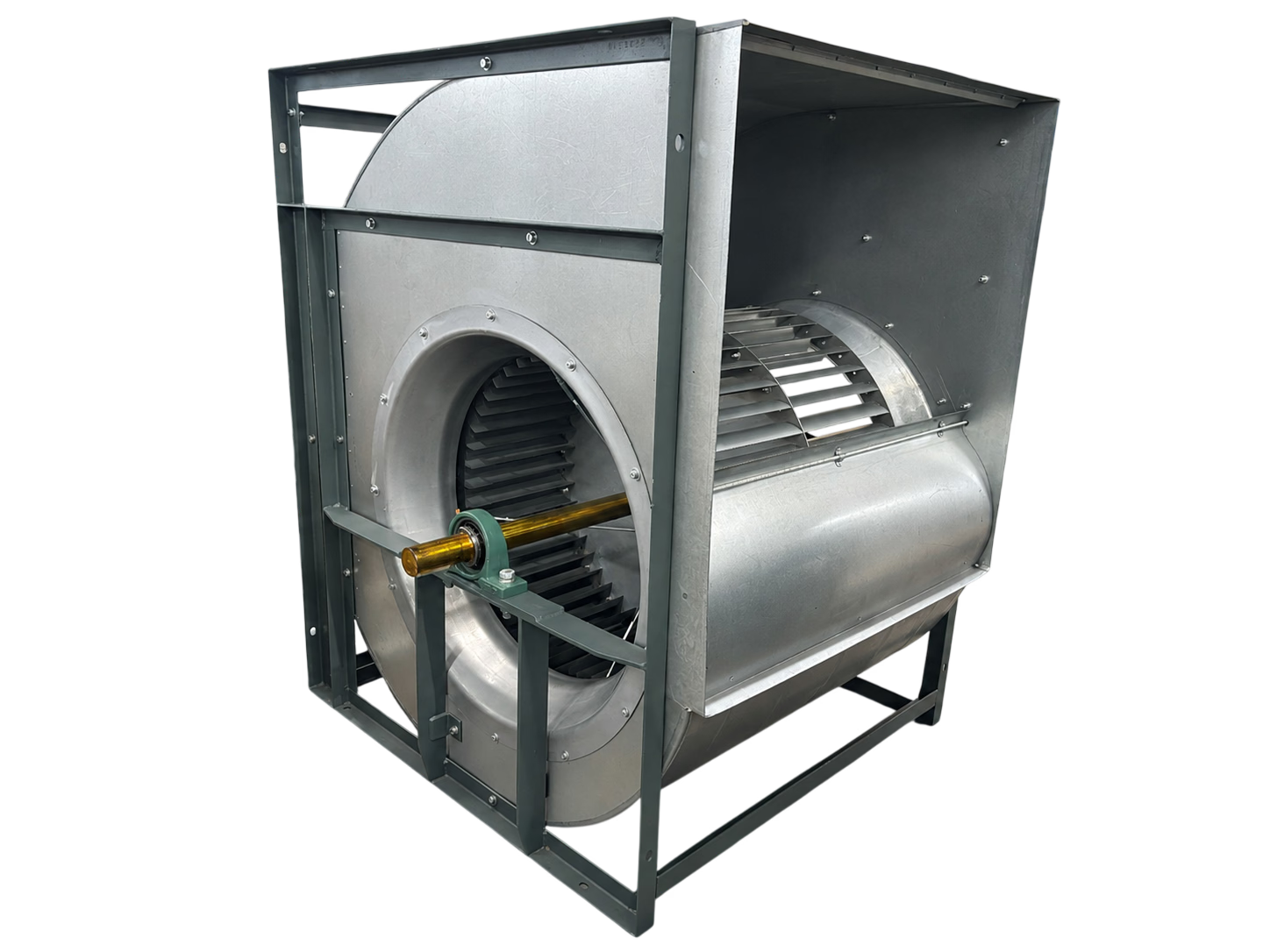
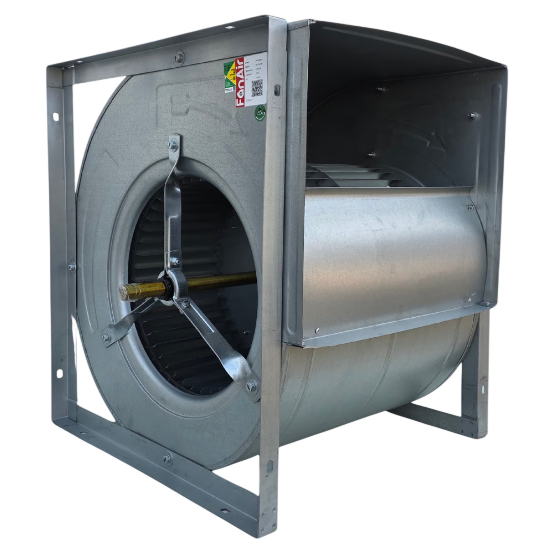
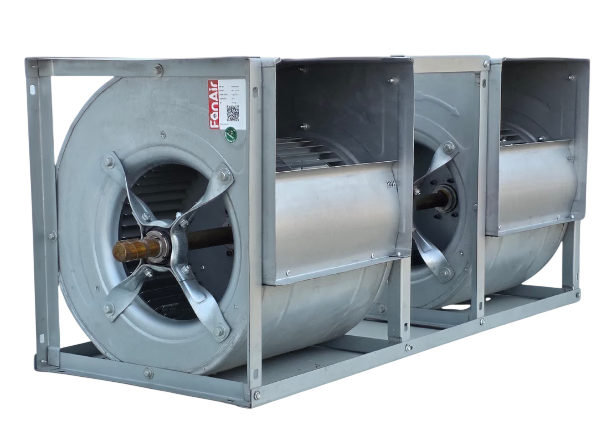
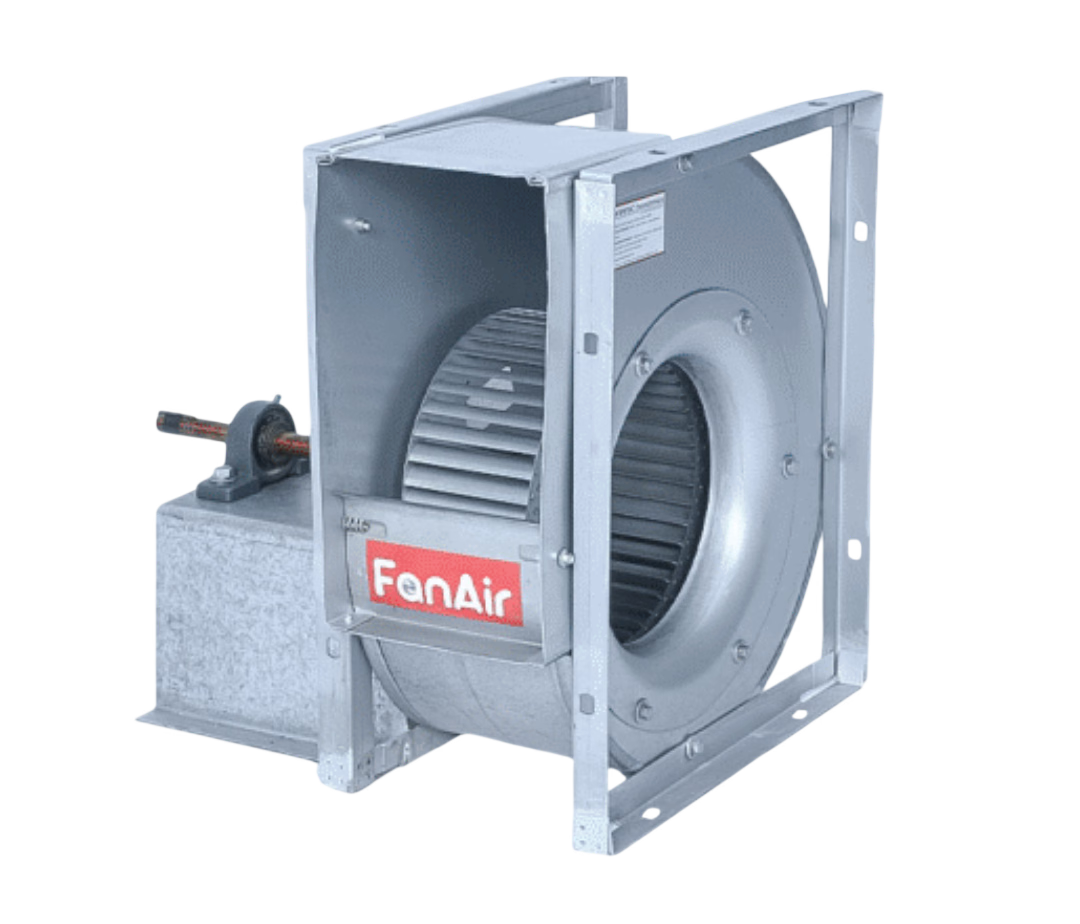
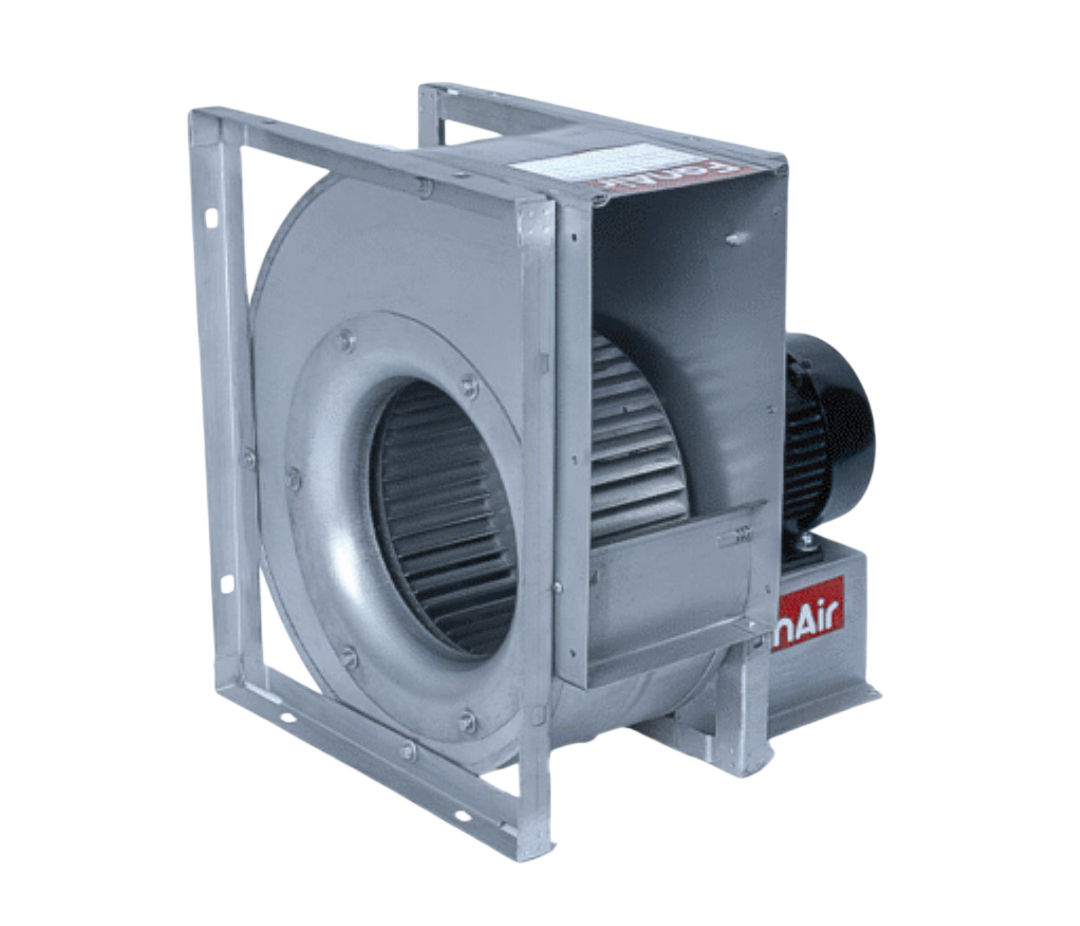
Forward Curved Centrifugal Fans are designed for applications that require high-volume air movement with a compact fan arrangement. They are normally used in HVAC, ventilation, and air-handling systems where steady and controlled airflow is critical.

The forward-curved blade arrangement helps these fans to deliver great air volume in suitable low-static-pressure applications. Their compact housing can also be useful where system space is limited. Proper selection depends on airflow, pressure, installation conditions, and the requirements of the connected system.

Contact Us
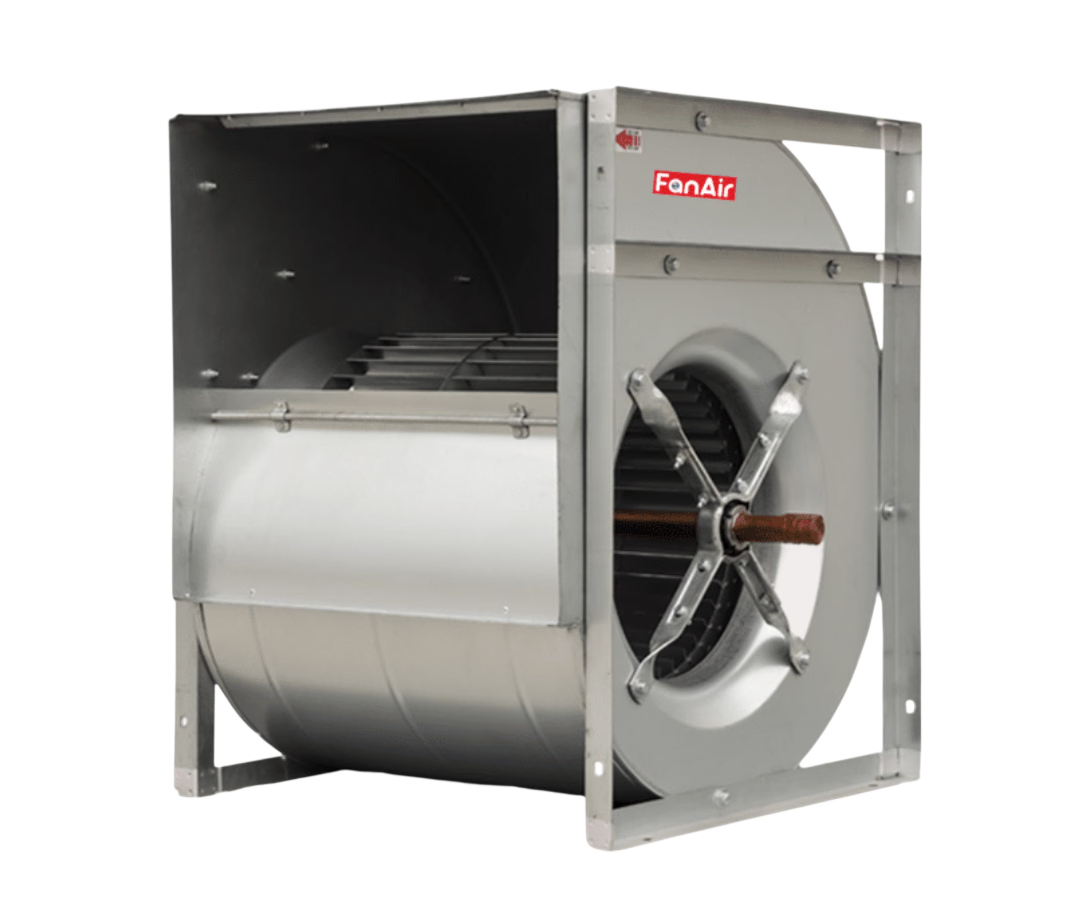
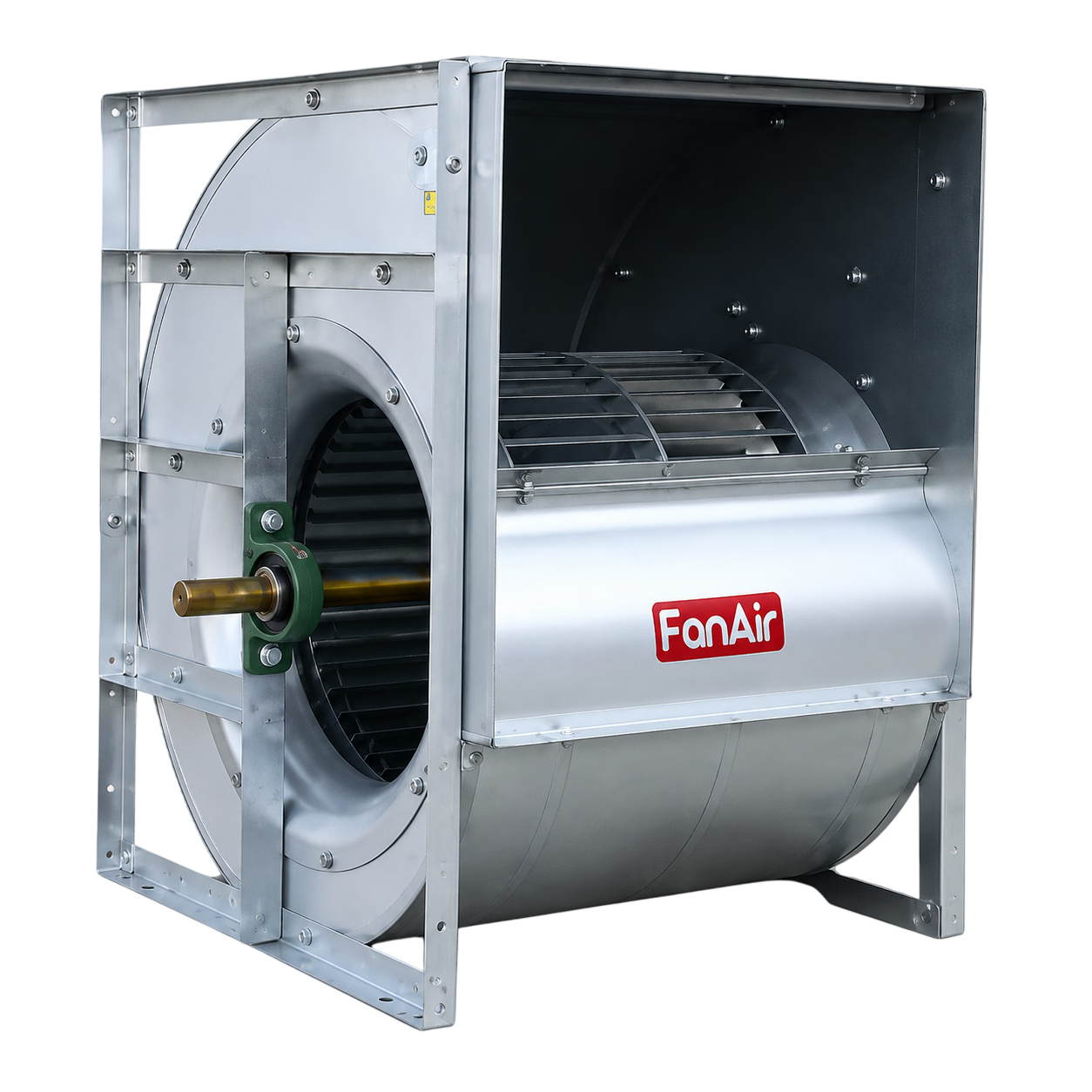
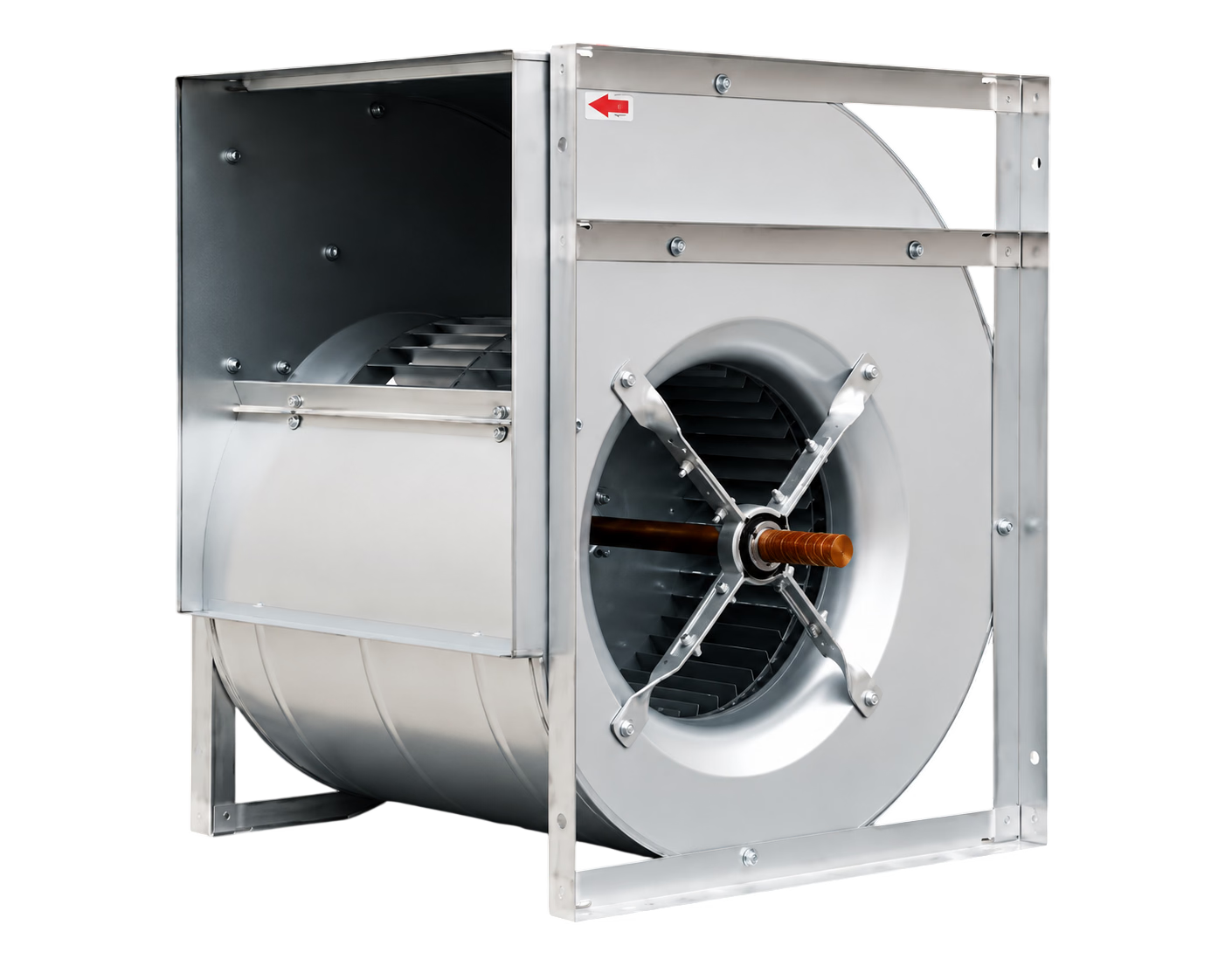
DIDW

FAFC Series

FAT Series

SISW (Single Inlet Single Width)

FAFCSB Series

FAFCSD Series

Key Features of Forward Curved Centrifugal Fans

These fans combine a compact design with reliable air movement for appropriate applications. Their construction may be tailored to different system layouts, drive arrangements, and operating requirements.

High-Volume Air Delivery

Important features include high-volume air delivery, forward-curved blades, compact housing, low-noise operation, application-specific configurations, and different mounting options. These features make them useful for HVAC and general ventilation requirements.

Technical Specifications

FanAir's FC-Series is designed for high-volume and low-static-pressure air delivery. The current product lists a CFM range of 500 to 65,000 CFM, static pressure up to 150 mm WG, and aerodynamic performance rated to AMCA Standard 210.

The final specification depends on the chosen model and operating point. Airflow, static pressure, motor selection, dimensions, drive arrangement, and installation conditions should be confirmed before placing an order.

Applications of Forward Curved Centrifugal Fans

Forward-curved fans can be used where large volumes of air need to be moved through HVAC and ventilation systems. They are suitable for air-handling applications where compact units and consistent airflow are important.

Common applications include air handling units, industrial ventilation, manufacturing facilities, commercial buildings, warehouses, and general ventilation systems. The selected fan should always match the airflow and pressure requirements of the system.

Why Choose FanAir for Your Fan Requirement?

Choosing a fan involves more than matching an airflow rate. Static pressure, duct resistance, installation space, operating conditions, motor requirements, and expected duty all influence the final fan configuration.

For businesses looking for a Forward Curved Centrifugal Fans Manufacturer in India, an engineering-led approach can help match the system to the application. CFD-based analysis can support aerodynamic design and airflow optimization where required.

Engineering and Manufacturing Process

Requirement Analysis and Design

The process begins with requirement analysis and static-pressure calculations to establish the required fan parameters. CAD and CFD tools can then support aerodynamic design and evaluate airflow behaviour before manufacturing.

Fabrication and Testing

After design approval, components are fabricated and assembled according to the required configuration. Dynamic balancing and performance testing help support smooth operation and verify the finished equipment before dispatch.

Customized Centrifugal Fan Solutions

Every HVAC project can have different airflow, pressure, space, and operating requirements. A standard fan may therefore not suit the dimensional, environmental, or performance conditions.

Industrial Centrifugal Fans can be configured around the specified operating point, motor, mounting arrangement, and application conditions. Sharing complete technical data helps the manufacturer select a configuration suitable for the intended system.

Performance Considerations

Airflow and Pressure

Fan selection should be based on the required operating point rather than airflow alone. Considering both CFM and static pressure helps the fan work efficiently with the connected ductwork and system.

Installation Conditions

Space, temperature, noise expectations, and mounting requirements should be reviewed before selection. These details help ensure that the fan configuration suits the site and performs reliably during operation.

How to Select the Right Fan

Start by identifying the required airflow in CFM and the static pressure needed to overcome resistance from ducts, filters, coils, dampers, and other system components. These values provide an important basis for fan selection.

Next, consider operating temperature, available space, operating hours, motor requirements, mounting arrangement, and the air being handled. Reviewing these factors together helps the technical team to recommend a suitable fan for the application.

Frequently Asked Questions

What are Forward Curved Centrifugal Fans used for?

They are usually used in HVAC, ventilation, air handling, and air movement applications that require large air volume.

How does a forward-curved centrifugal fan work?

A rotating impeller draws air into the fan and directs it outward through centrifugal force before discharging it into the connected system.

Can customized fan configurations be provided?

Yes. Configurations may be considered according to airflow, static pressure, dimensions, motor requirements, drive arrangement, and installation conditions.

What information is needed for fan selection?

Airflow, static pressure, operating temperature, available space, application information, motor requirements, and installation conditions are useful for choosing a suitable fan.

Conclusion

The proper fan needs to fit the airflow, pressure, space, and operating conditions of the system. A well-selected HVAC centrifugal fan solution can support consistent ventilation and reliable air movement.

For consultation and project requirements, FanAir India Pvt. Ltd. can discuss the required configuration and help identify an appropriate solution based on your application.

Contact Us